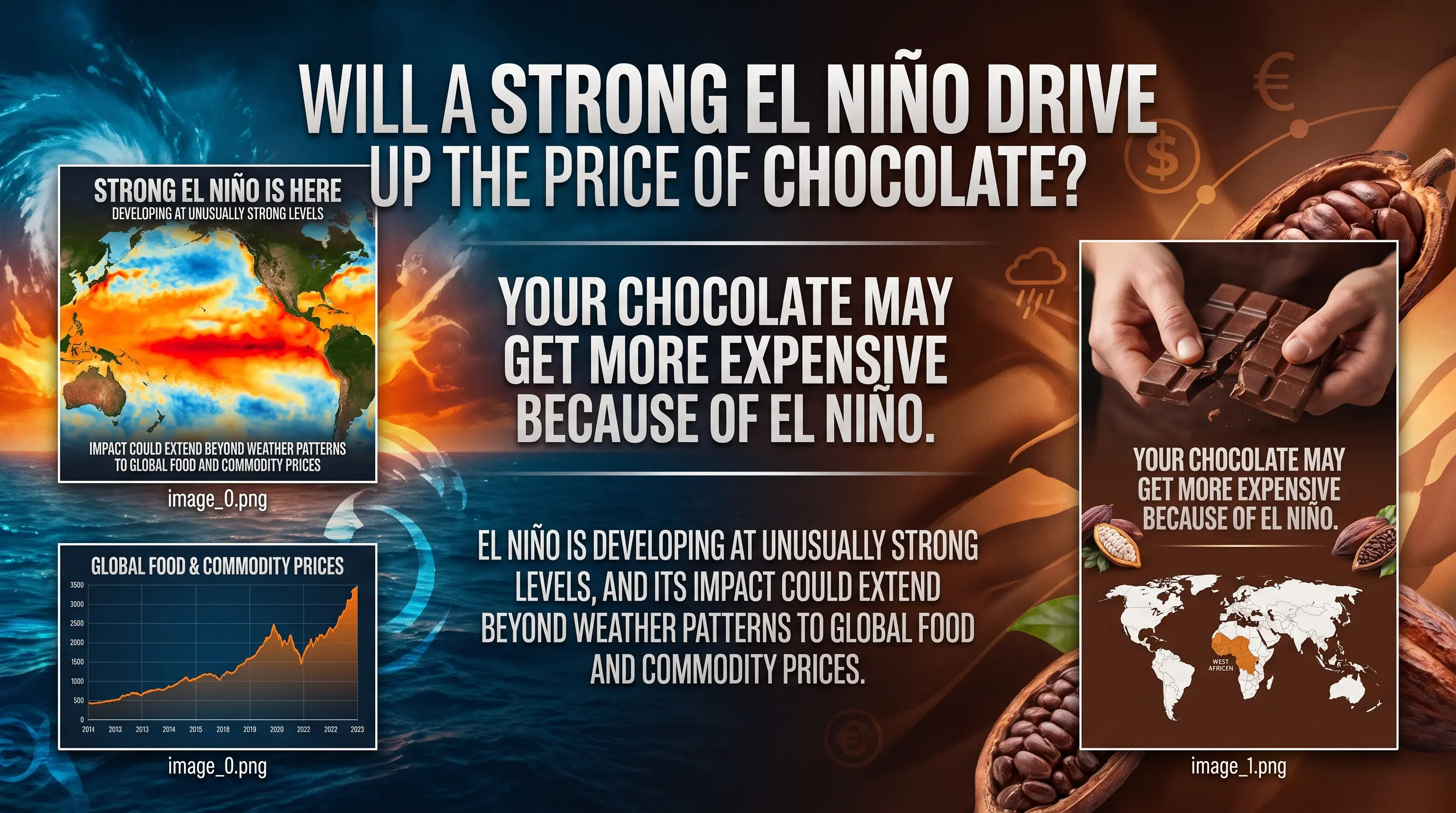
Will a Strong El Nino Drive Up the Price of Chocolate?
Exclusive Tictac Bets Offers
100% First Deposit Bonus + 50 Free Spins for new customers!
Plus get Up to R10,000 Weekly Slots Cashback!
Claim Your Bonus NowWhat Can You Win?
We are giving away three Takealot vouchers to three lucky winners:
Giveaway: How To Enter
- Get Your Tictac Bets Player ID: Sign up here to claim your 100% deposit bonus and 50 free spins. (Note: If you already have an active Tictac Bets account created previously without our link, you are still 100% eligible!)
- Engage On YouTube: Leave a comment on every single video posted on the Betbizi Gaming YouTube channel throughout the month of September.
- Join Our WhatsApp: Subscribe to the Betbizi WhatsApp Channel hosted by Raquel for updates and winner announcements.
- Submit Your Entry: Head to the Betbizi Contact page, choose Competition Entry, and provide your Full Name, Mobile Number, Email, Tictac Bets Player ID, and YouTube Handle in the message box.
The global agricultural market is bracing for a massive economic shock as one of the most severe climate anomalies in recent memory begins to take hold. Industrial commodity traders and grocery retailers are tracking weather maps with deep anxiety as the tropical Pacific Ocean experiences a dramatic surge in surface water temperatures. Forecasters from major international meteorological bureaus have confirmed that a powerful El Nino event is rapidly developing at unusually strong levels, sending warning signs far beyond the world of standard weather forecasting. The systemic reach of this climate pattern is poised to disrupt the delicate balance of global food supply chains, with tropical commodities facing the most immediate threat.
Among the various agricultural goods vulnerable to shifting weather patterns, the raw materials required to produce your favorite sweet treats are sitting directly in the line of fire. The multi billion dollar confectionery industry is highly exposed to geographic production constraints that leave it uniquely vulnerable to localized climate disasters. As global food inflation continues to strain household budgets, the impending supply chain disruption could turn everyday luxury treats into high priced indulgences. The economic ripples of this environmental phenomenon are already vibrating through the New York and London commodities trading floors, signaling a volatile period ahead for global food prices.
How the Warming Pacific Alters the Climate Landscape Early
The scientific mechanics behind this climate disruption revolve entirely around the massive accumulation of thermal energy in the equatorial Pacific Ocean. According to recent weekly updates provided by the Australian Bureau of Meteorology, the critical Nino 3.4 index has surged to an alarming plus 2.72 degrees Celsius, representing one of the highest premium readings ever documented in modern records. Long range simulation models suggest that this thermal anomaly could strengthen even further in the coming winter months, pushing the weather pattern into the rare category of a super El Nino. This extreme atmospheric shift completely alters global wind currents, triggering severe droughts in some agricultural regions while dumping destructive, non seasonal rainfall in others.
The immediate fallout of these changing precipitation patterns is heavily felt across the narrow agricultural belts located near the earth's equator. Tropical crops require a highly specific balance of regular rainfall, sustained humidity, and moderate temperatures to thrive, making them exceptionally fragile when faced with prolonged climate anomalies. The early stages of this current cycle have already begun disrupting standard seasonal patterns, leaving local farmers unable to predict planting or harvesting cycles. As the intensity of the atmospheric shift builds toward its projected winter peak, the structural stability of global soft commodity markets is facing an unprecedented logistical test.
Why West African Cocoa Crops Are Highly Vulnerable Right Now
The core vulnerability of the global chocolate supply chain rests entirely on a staggering geographic reality, which is that approximately two thirds of the world's total cocoa supply is produced in West Africa. The neighboring nations of Cote d'Ivoire and Ghana serve as the undisputed engine room of the global industry, making the entire market completely dependent on the environmental stability of this single region. The fragile nature of cocoa trees means that even a minor variation in seasonal rain can cause immediate crop failures, withering pods, and systemic disease outbreaks across regional plantations. Strong El Nino cycles historically bring hot, dry weather conditions to West Africa, which actively chokes the development of the delicate cacao pods.
The agricultural damage is already manifesting in the latest production forecasts issued by regional statutory bodies. In Ghana, the official cocoa marketing board has announced that domestic production is expected to plunge by at least 16 percent during the current 2026/27 growing season, citing the early onset of dry conditions as a primary driver. Compounding the issue, the region is still recovering from the severe crop failures of recent years, meaning that local soil conditions and tree health were already compromised before this latest super El Nino arrived. With half of the world's total supply facing immediate production constraints, a massive global deficit is fast becoming an unavoidable reality.
Which Trading Markets are Already Reacting to the Supply Squeeze
Commodity speculators and institutional investors are not waiting for the physical harvest to fail before altering their financial strategies. The wholesale price of cocoa on the international futures markets has already experienced an aggressive rebound, climbing swiftly to nearly 5,500 US dollars per metric ton in recent trading sessions. Financial analysts from global banking institutions like Goldman Sachs have warned clients that the current market environment shows terrifying structural similarities to the run up of the historic 2023/24 cocoa crisis. The rapid rise in futures contract pricing reflects the market's proactive attempt to price in the high probability of a prolonged supply shortfall.
The volatility is further intensified by the highly speculative nature of soft commodity trading, where hedge funds aggressively move capital into assets facing immediate supply constraints. This sudden influx of investment capital creates a powerful upward push on wholesale prices, which compresses the profit margins of processing plants worldwide. The cost of intermediate raw materials, such as pure cocoa butter and processed cocoa powder, has risen in direct symmetry with the raw bean market. This financial pressure is hitting manufacturing facilities at a highly challenging moment, as they are already grappling with inflated energy bills and rising fuel costs driven by ongoing global conflicts.
Where Chocolate Manufacturers Will Adjust Product Formulation
As the cost of raw ingredients climbs to unsustainable levels, global confectionery corporations are forced to implement aggressive strategies to protect their corporate profit margins. Consumers will likely not see the full impact of the raw material surge overnight, as major brands typically secure supply contracts months in advance. However, as those legacy contracts expire and new high priced inventory enters the production line, manufacturers will face a stark choice between raising retail prices or altering their product presentations. Industry experts predict that a combination of direct price hikes and creative product downsizing will dominate retail shelves ahead of major holiday shopping seasons.
The phenomenon of shrinkflation will be heavily utilized across the retail sector, with companies reducing the net weight of chocolate bars while keeping the retail packaging and price point completely unchanged. Additionally, corporate research and development teams are actively experimenting with alternative product formulations to minimize their reliance on expensive cocoa inputs. This includes reducing the absolute percentage of pure cocoa butter in standard milk chocolate recipes and replacing it with cheaper vegetable oil alternatives or palm oil blends. High end dark chocolate products, which require a much higher concentration of pure cocoa beans, will likely see the sharpest direct retail price increases, transforming them into premium luxury items.
What This Food Inflation Signals for Global Consumers
The impending surge in the price of sweet delicacies arrives at a highly sensitive moment for global consumer markets, which are already battered by a generational cost of living crisis. Household budgets are tightly stretched from years of persistent inflation across staple food groups, housing, and utilities, forcing many shoppers to re evaluate their monthly discretionary spending. Confectionery goods have traditionally been viewed as affordable everyday luxuries that consumers resist cutting from their grocery baskets, but the sheer scale of the current commodity squeeze could test the limits of consumer loyalty. If a standard chocolate bar becomes prohibitively expensive, demand elasticity will inevitably trigger a significant drop in overall market consumption.
Beyond the immediate impact on household wallets, this climate driven commodity crisis highlights the broader systemic threat that environmental volatility poses to long term global food security. Tropical commodities like cocoa, premium coffee, and sugar are functioning as early warning indicators of how intensifying weather systems can instantly disrupt globalized supply chains. The economic damage is particularly severe for the smallholder farmers in developing nations who grow these crops, as they possess minimal financial capacity to adapt to changing environmental realities. As the current super El Nino continues to flex its muscles across the Pacific, the global market is receiving a bitter reminder of how closely the retail price of our food is tied to the stability of our planet's climate.
Article Summary
A powerful El Nino weather system is developing at unusually strong levels, with the critical Nino 3.4 index reaching a near record plus 2.72 degrees Celsius. This climate phenomenon threatens to significantly drive up the global price of chocolate by disrupting cocoa production in West Africa, where Cote d'Ivoire and Ghana produce two thirds of the world's supply. Ghana is already projecting a 16 percent drop in production for the 2026/27 season due to intensifying dry weather that harms fragile cocoa trees. Wholesale cocoa futures have already doubled this year to nearly 5,500 US dollars per ton, forcing global manufacturers to consider direct retail price hikes, product downsizing through shrinkflation, or altering recipes to use cheaper cocoa alternatives.
Frequently Asked Questions
Why does El Nino cause chocolate prices to increase?
El Nino alters global weather patterns, bringing severe dry spells and high temperatures to West Africa. Since this region produces the vast majority of the world's cocoa beans, the harsh weather damages the fragile crops, creating a global supply shortage that drives up wholesale prices.
Which countries are most affected by this cocoa supply shortage?
Cote d'Ivoire and Ghana are the most affected production countries, as they together supply around half of the global cocoa market. Ecuador, the third largest producer, is also experiencing volatile weather conditions that threaten harvests.
What is shrinkflation and how does it apply to chocolate?
Shrinkflation occurs when a manufacturer reduces the physical size or weight of a product while maintaining the exact same retail price. Chocolate companies frequently use this strategy during cocoa shortages to pass input costs to consumers without raising the visible price tag.
How much have wholesale cocoa prices risen recently?
Wholesale cocoa prices have experienced a significant rebound on international commodities exchanges, doubling over the current year to settle near 5,500 US dollars per metric ton as traders price in the impending agricultural shortfall.
Will the taste of popular chocolate brands change because of this weather event?
Yes, to combat the high cost of pure cocoa, some mass market manufacturers may adjust their recipes by reducing the total cocoa content and substituting pure cocoa butter with alternative vegetable fats or palm oil blends.
Safe Local Payment Systems And Strict FICA Rules
To take immediate advantage of shifting sports markets safely, South African sports fans must maintain a fully verified betting profile. The Financial Intelligence Centre Act (FICA) strictly requires all local digital bookmakers to verify customer identities and residential addresses before unlocking withdrawal functionalities. Punters must upload a clear copy of their smart ID card or green barcoded identity book alongside a recent utility bill.
Funding your digital wallet during high traffic matchdays requires secure, encrypted payment networks that link directly with major South African banking institutions.
Approved Local Transaction Channels:
- Capitec Pay: Offers instantaneous, biometric approved deposits directly through your mobile banking application.
- Ozow Instant EFT: Enables secure, cardless transfers utilizing your existing digital banking credentials with immediate reflection.
- 1ForYou Voucher: Provides a safe cash to digital alternative, enabling players to top up accounts using retail vouchers.
- 3D Secure Portals: Safeguards traditional Visa and Mastercard checkouts through mandatory one time banking PIN verification codes.
South African Sports Compliance And Responsible Gambling
Warning: Gambling involves financial risk. Never wager funds required for daily essential living expenses. Sports betting should serve strictly as a form of adult recreational entertainment.
Regulated Betting: Only place sports wagers with bookmakers possessing an active license from South African provincial gambling boards.
Age Enforcement: Strictly no persons under the age of 18 years are permitted to open accounts or participate in gambling.
Play Responsibly: Winners know exactly when to stop.
National Responsible Gambling Programme: If you notice signs of compulsive behavior, reach out immediately for free, confidential professional counseling support.
Connect with Us
To stay updated with the latest sports intelligence, betting tips, and local discussions, follow our official channels:
- Raquel Jacobs Instagram: @raq_jacobs
- Betbizi Facebook: Betbizi Facebook
- Betbizi Instagram: @betbizi.co.za
- Betbizi YouTube: Betbizi YouTube
- Hot Hot Habanero YouTube: Hot Hot Habanero YouTube
- BSPZA YouTube: BSPZA YouTube
- Raquel Jacobs Facebook: Raquel Jacobs Facebook
National Responsible Gambling Programme Note: Betbizi advocates for safe consumer environments. If you or someone you know needs support, contact the South African Responsible Gambling Foundation (SARGF) via their official helpline at 0800 006 008 or visit the SARGF Website.
Written by Hajira Bibi Essop